Unveiling the Ultimate Luxury Wildlife & Eco Safari Guide
Exploring nature closely while staying in comfortable, thoughtfully designed accommodations has become a growing travel trend. Luxury wildlife and eco safaris allow travelers to witness amazing ecosystems, endangered species, and cultural heritage while also supporting sustainability. As concerns around environmental impact continue to rise, more people are looking for travel that is responsible as well as unforgettable. This guide offers a complete overview to help travelers understand what luxury wildlife and eco safaris involve, what to look for, and how to choose the right experience. From types and trends to top features, common questions, and comparison tables, this article aims to make your safari planning easier and more enjoyable.
What Makes a Luxury Wildlife & Eco Safari Special
A luxury wildlife and eco safari combines high-end comfort with nature-focused adventure and environmental responsibility. Instead of rough camping, travelers stay in premium eco-lodges, private wildlife reserves, or small boutique camps that emphasize sustainability.
These experiences often include guided wildlife game drives, nature walks, conservation programs, and community-support initiatives. Personalized service, privacy, well-designed interiors, delicious food, and wellness amenities enhance the comfort, while wildlife sightings and open landscapes create a sense of wonder.
Benefits of Luxury Wildlife & Eco Safaris
Luxury safaris focus on comfort, sustainability, and responsible interaction with the environment. Benefits typically include:
-
Close wildlife encounters
Guided tours take travelers into protected habitats to observe animals safely and respectfully. -
Comfort and relaxation
The journey includes fine dining, private suites, and peaceful environments with attention to detail. -
Educational experiences
Wildlife experts, conservationists, and local guides share knowledge about ecosystems and species survival. -
Sustainable practices
Eco-safaris support renewable energy, low-impact construction, fair employment, and wildlife protection. -
Cultural connection
Many safaris include village visits and community programs that support indigenous lifestyles and heritage.
Limitations to Keep in Mind
Even premium travel experiences can have challenges. Consider the following:
-
Cost
Luxury and conservation efforts make safaris more expensive than standard tours. -
Remote locations
Reaching some reserves requires small flights or long road travel. -
Weather conditions
Natural environments may bring heat, rain, or cold depending on season. -
Wildlife unpredictability
While sightings are common, animals move freely, and nothing is guaranteed. -
Limited digital connectivity
Some eco-lodges encourage digital detox with minimal internet access.
Understanding these factors helps set the right expectations for a safe and enjoyable trip.
Types of Luxury Wildlife & Eco Safaris
There is no single safari experience. Travelers can choose from different styles depending on interests, comfort level, and destination.
| Safari Type | Description | Best For |
|---|---|---|
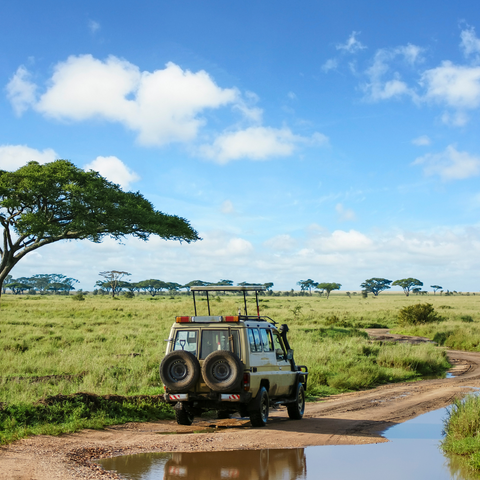
| Classic Game Drive Safari | 4x4 guided drives in large wildlife reserves | First-time safari travelers |
| Walking Safari | Guided nature walks with trained experts | Active travelers seeking immersive experiences |
| Mobile or Tented Safari | Luxury tented camps that move seasonally | Guests wanting both comfort and authenticity |
| Marine or Island Eco Safari | Whale watching, coral conservation, marine parks | Ocean-focused wildlife enthusiasts |
| Photographic Safari | Specialized vehicles, pro photographers as guides | Wildlife photographers and hobbyists |
| Gorilla or Primate Trekking | Jungle treks to see primates up close | Adventurous travelers |
| Wellness Safari | Spa treatments combined with nature activities | Travelers wanting relaxation and serenity |
Safaris are available in Africa, Asia, Australia, South America, and North America, each offering distinct biodiversity.
Latest Trends and Innovations
Luxury wildlife tourism continues to evolve. Current trends focus on improving sustainability and guest experience:
-
Carbon-neutral safaris
Lodges invest in reforestation, electric vehicles, and renewable energy. -
Technology for conservation
Drones, motion-capture cameras, and data tracking help protect endangered species. -
Smaller footprint architecture
Lightweight eco-design reduces disturbance to natural landscapes. -
Citizen science experiences
Guests participate in wildlife monitoring and environmental research. -
Private reserves for controlled conservation
Limited vehicles and smaller crowds enhance animal safety and privacy. -
Indigenous community partnerships
Local cultural knowledge is included for authenticity and fair benefit distribution. -
Expanded vegan and sustainable dining
Farm-to-table meals use regional ingredients and reduce waste.
These innovations help safaris stay aligned with ethical and ecological responsibilities.
Key Features to Consider When Choosing a Safari
Choosing the right safari requires balancing comfort, safety, ethics, and personal interest. Here are the most important factors:
-
Wildlife diversity and conservation status
Some reserves specialize in the Big Five, while others focus on birds, primates, or marine life. -
Accommodation quality and sustainability
Look for eco-certifications, responsible energy use, and community support initiatives. -
Level of comfort and privacy
Options range from luxury tents to private villas with pools. -
Guides and expertise
Skilled, licensed guides ensure safety and enrich the learning experience. -
Season and weather patterns
Migration seasons or dry months may improve visibility. -
Group size
Smaller groups allow more intimate wildlife viewing and convenience. -
Health and safety standards
Vaccination, emergency support, and responsible wildlife distance rules matter greatly. -
Activity options
Consider whether you want game drives, water safaris, stargazing, photography workshops, or cultural visits.
A checklist before booking:
-
What species are typically seen in this area
-
Distance to nearest airport or transport
-
Sustainable tourism certifications
-
Maximum number of vehicles per sighting
-
Inclusions such as meals, guides, or park entry fees
-
Accessibility for all age groups or mobility needs
-
Insurance options and safety protocols
Comparing Accommodation Styles
| Accommodation Type | Comfort Level | Sustainability Focus | Experience Style | Typical Setting |
|---|---|---|---|---|
| Eco-Lodges | High | Strong | Permanent buildings blending with nature | Forests, mountains, conservation areas |
| Luxury Tented Camps | High | Moderate to strong | Authentic safari feel with refined interiors | Savannas and remote grasslands |
| Private Villas in Reserves | Very high | Varies | Exclusive, private service | Secluded areas inside private parks |
| Mobile Camps | High but seasonal | High | Close wildlife proximity, adventure focused | Seasonal migration paths |
Top Destinations for Luxury Wildlife & Eco Safaris
Even though experiences exist worldwide, some regions are known for exceptional biodiversity and eco-tourism standards:
-
East Africa: Kenya and Tanzania for migration safaris
-
Southern Africa: South Africa, Botswana, Namibia, Zimbabwe for high-end private reserves
-
India: Tiger reserves and diverse national parks
-
Rwanda and Uganda: Gorilla and primate trekking
-
Australia: Outback wildlife and marine parks
-
Costa Rica: Rainforest and ocean biodiversity
-
Galapagos Islands: Unique species and strict eco controls
Each destination offers unique wildlife and cultural richness.
Top Companies and Safari Operators
While many travel operators exist, luxury and eco-focused companies typically emphasize sustainability, small groups, conservation support, and expert guiding. Travelers should review transparency about environmental commitments, wildlife safety policies, and community partnerships before booking.
Reputable companies usually offer:
-
Certified conservation programs
-
Trained professional guides
-
Clear safety guidelines
-
Inclusive pricing details
-
Accommodation partnerships with eco-verified lodges
Comparing multiple operators based on ethics and guest feedback helps ensure a quality experience.
How to Choose the Right Safari Experience
Use these considerations to match a safari to your travel goals:
| Priority | Best Choice |
|---|---|
| First safari experience | Classic game drive in a well-known reserve |
| Focus on endangered species | Gorilla trekking or rhino reserves |
| Comfort and privacy | Private villas or high-end eco-lodges |
| Adventure and exercise | Walking or mobile tented safaris |
| Family-friendly travel | Reserves with safety-focused guides and kid-specific programs |
| Deep conservation involvement | Citizen science or community-focused safaris |
Steps to selecting your safari:
-
Define your wildlife interests and activity level.
-
Set your budget and trip duration.
-
Research seasonal wildlife patterns.
-
Compare sustainability commitments.
-
Review independent guest feedback.
-
Confirm what is included in pricing.
-
Understand travel visas and vaccination needs.
Being clear about expectations ensures a positive and responsible visit.
Tips for Best Use and Enjoyment
Luxury safaris are designed to be memorable, but thoughtful preparation helps maximize the experience.
-
Pack lightweight and neutral-colored clothing to blend into natural surroundings.
-
Carry binoculars and a reusable water bottle for comfort and sustainability.
-
Be patient and respectful because wildlife interactions are unpredictable.
-
Limit noise during sightings to avoid disturbing animals.
-
Stay hydrated and protect against sun with hats and sunscreen.
-
Listen closely to guides as they ensure safety and ethical behavior.
-
Avoid feeding wildlife or interfering with natural behavior.
-
Follow all park rules to support conservation.
These habits contribute to a safe environment for both visitors and animals.
FAQs: Common Traveler Questions
Are luxury eco safaris suitable for all ages?
Many are, but some activities like trekking may require physical fitness. Always check age and capability requirements.
What is included in the cost?
Typically accommodations, meals, guided drives, and park fees. However, private charter flights, spa services, and tips may be separate.
How many days should a safari be?
Four to eight days is common. Longer trips allow for multiple parks or extended wildlife viewing opportunities.
Will I have phone or internet access?
Some lodges offer limited connectivity. Eco-friendly destinations may encourage reduced internet to maintain natural atmosphere.
Is travel insurance necessary?
Yes, especially for remote locations where medical facilities may be distant.
What is the best time of year?
Dry seasons often improve visibility, but each destination has unique wildlife patterns. Research regional timing before booking.
Are safaris safe for solo travelers?
Most luxury eco lodges and operators provide secure, guided experiences suitable for solo travel.
How do safaris support conservation?
Revenue supports habitat protection, anti-poaching, and local job creation while encouraging responsible tourism.
Conclusion: A Responsible Way to Experience the Wild
Luxury wildlife and eco safaris offer a meaningful balance between adventure and comfort. They make it possible to connect deeply with nature while contributing to the protection of fragile ecosystems. By choosing operators and lodges with strong sustainability commitments, travelers help ensure that wildlife continues to thrive for future generations.

You may also like...

Everything you need to know about online counseling degree programs
Last Update: September 19, 2025
Read